Journal Breathe
Box breathing, properly: a calm guide to the 4-4-4-4 rhythm
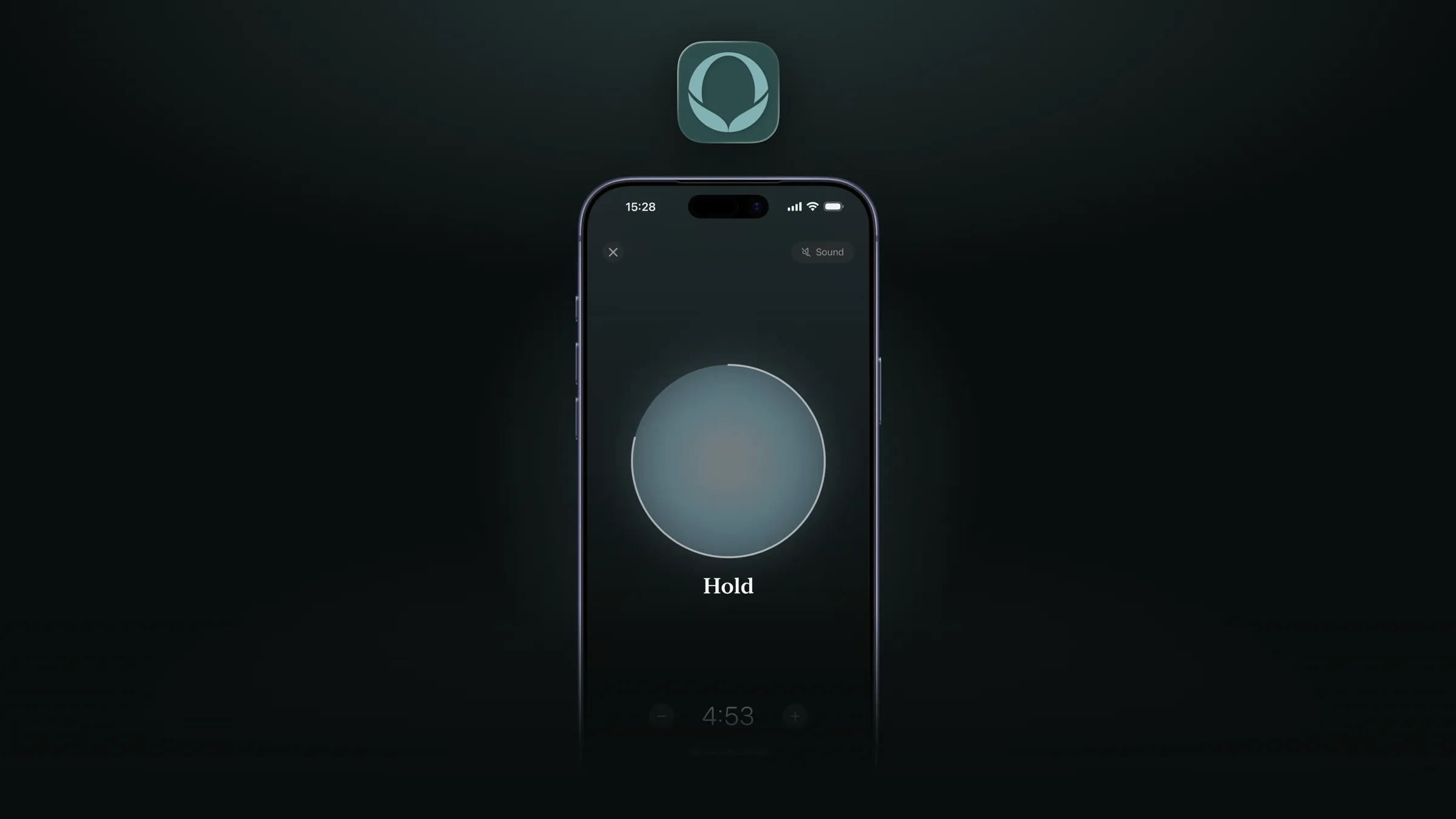
Box breathing is the simplest breathing practice worth learning. Four counts in, four held, four out, four held. A square, traced with your breath. Navy SEALs use it before high-stress operations, clinicians teach it for everyday anxiety, and it needs no equipment, no posture and no belief system.
The rhythm
One round of box breathing:
- Breathe in through the nose for a count of four
- Hold, lungs full, for a count of four
- Breathe out slowly for a count of four
- Hold, lungs empty, for a count of four
That is one box. Five minutes is around fifteen boxes, and for most people five minutes is plenty.
Why it works
Slow, paced breathing shifts the balance of your autonomic nervous system. The long exhale and the pauses signal safety to the body, heart rate settles, and the mental noise drops a level. Research on paced breathing suggests benefits for stress, focus and blood pressure, and the counting itself gives a restless mind a simple job to do.
The box shape has one particular advantage over other rhythms: it is easy to remember under stress. When everything is loud, four-four-four-four is still there.
How to practise well
Sit down. Paced breathing can make you light-headed, particularly at first. Practise seated or lying down, somewhere you could safely go a little woozy. Never practise breath holds in or near water, and never while driving.
Breathe low, not big. The aim is a slow, quiet breath into the belly, not a heroic chestful of air. If four counts feels like straining, count faster. The square matters more than the size.
Let the exhale be soft. Most of the calming effect lives in the exhale. Release the breath like setting something down gently, not like emptying a bottle.
Anchor it to a moment. A practice without a place in your day evaporates. Before training, after work, before sleep. Box breathing before a workout is a particularly good pairing: you arrive at the first set present instead of scattered.
Following a guide
Counting works, but following works better. When something else keeps the rhythm, you can stop managing the practice and simply breathe.
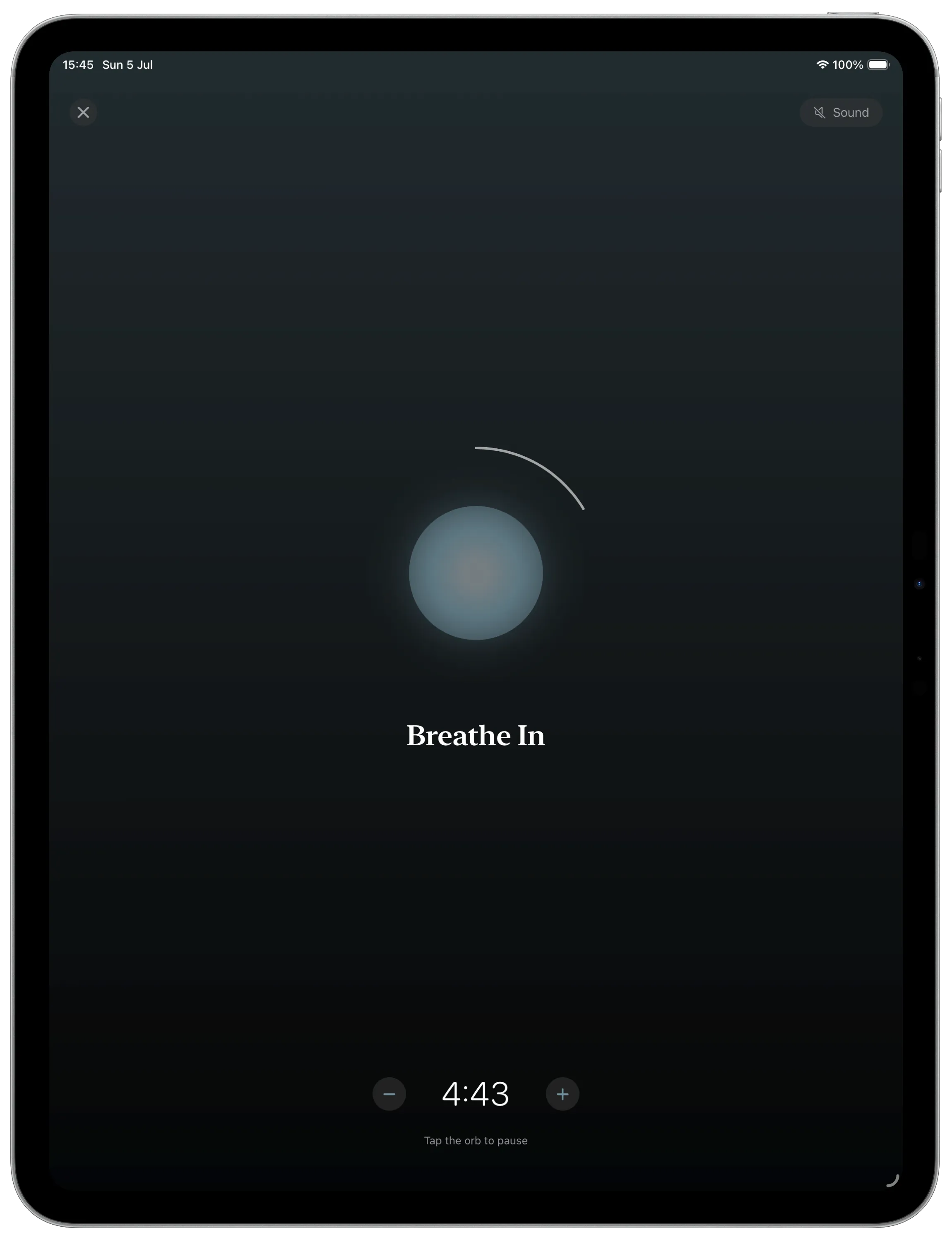
In Oath, a gentle orb traces the square for you. It swells as you breathe in, rests while you hold, and settles as you breathe out, with a singing bowl to open and close the session. Five minutes with the orb, most days, is a modest habit with an outsized return.
You can try it right now, without installing anything: the free box breathing timer on this site is the same orb, the same rhythm and the same bowl, running in your browser.
Breathing practices can cause light-headedness. Read the health and safety guidance before you begin, and speak to your doctor if you have a respiratory or cardiovascular condition.